About Us
A Florida family business, raised on the craft. Meet the crew and see where we work.
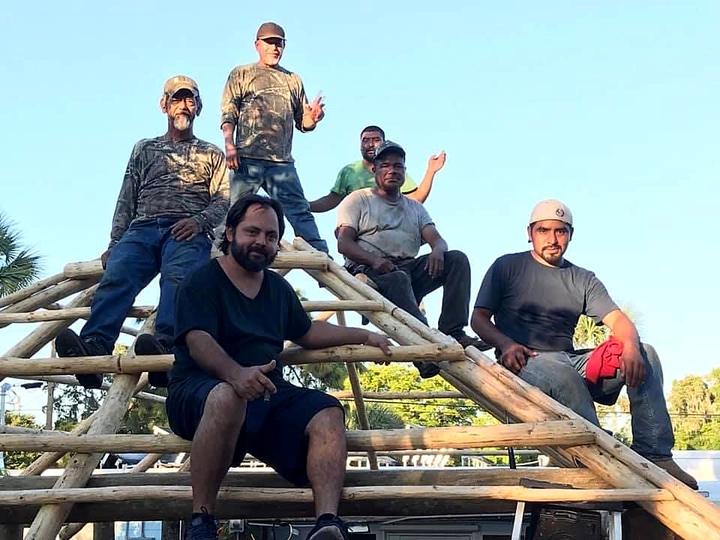
The crew
Built by these hands
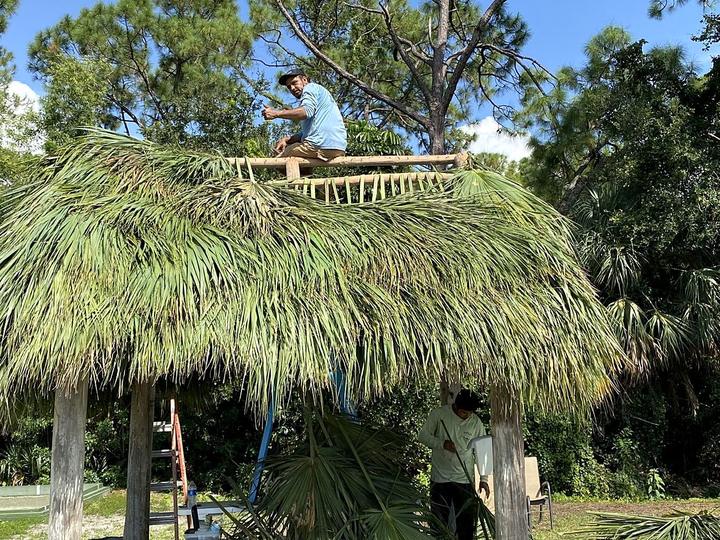
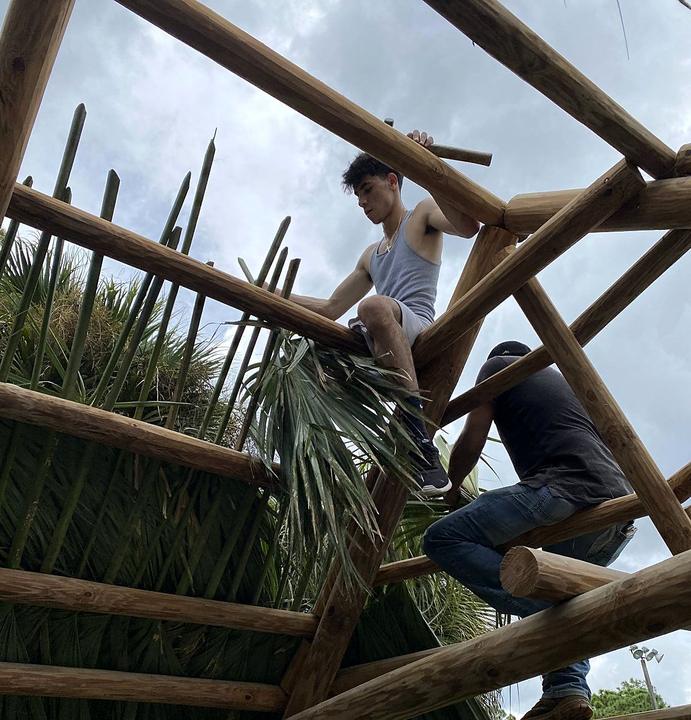
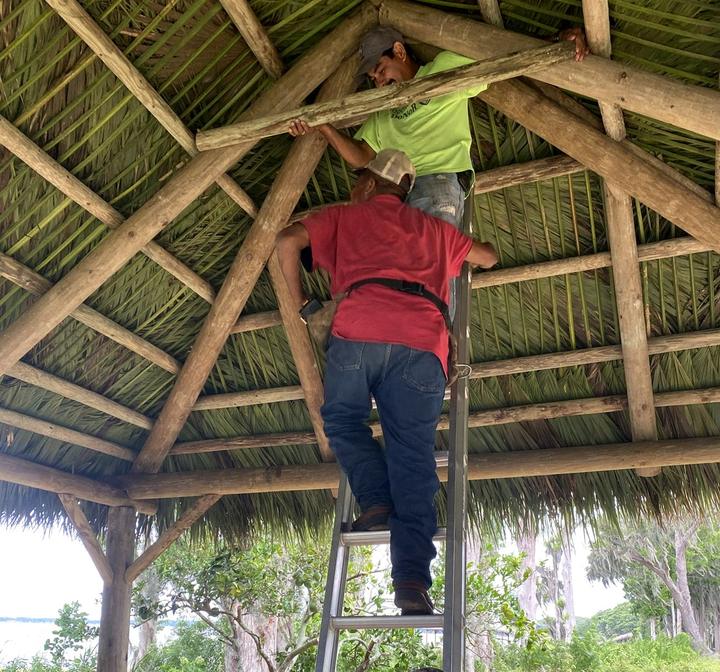
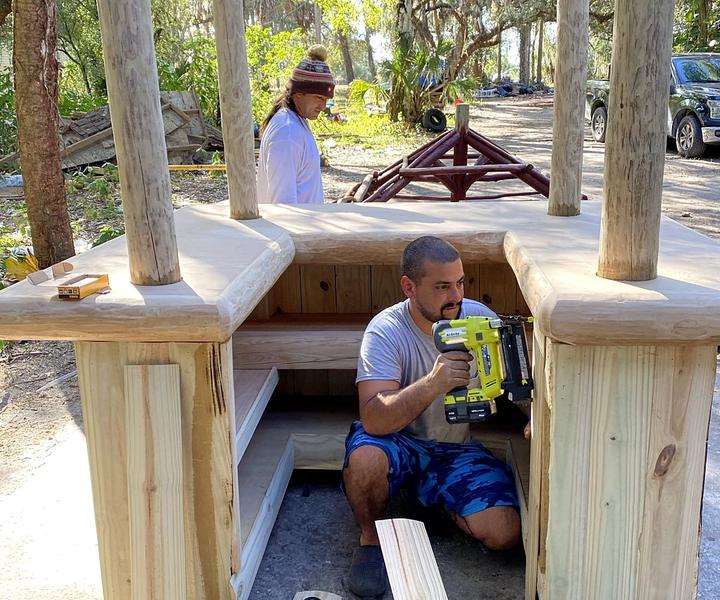
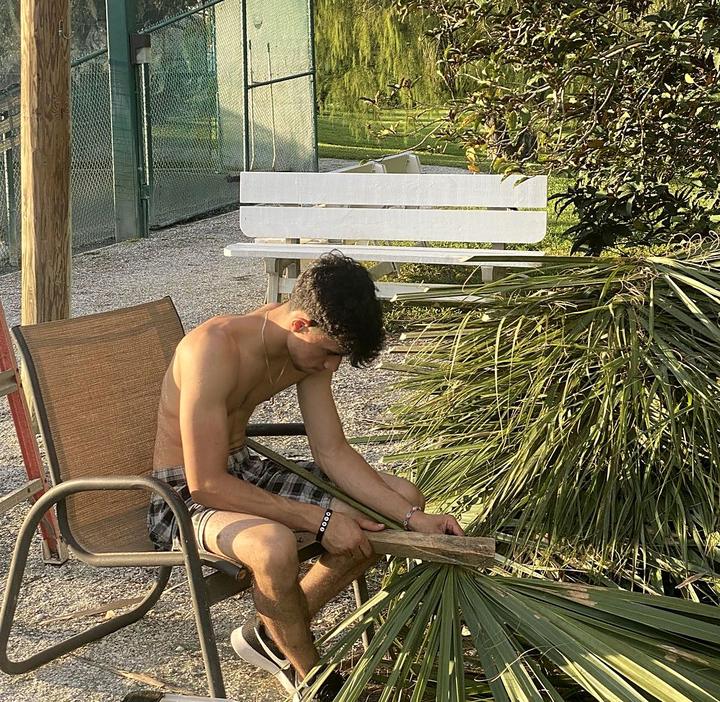
No subcontractors and no kits. The same crew sets the posts, climbs the frame and lays every row of thatch, the way it was taught to them.
- 20+years building huts
- 7days a week, 7 am to 7 pm
- 170mphwind load, built in
Our story & heritage
Raised on the craft
Our story starts in South Florida, where our family was building tiki and chickee huts long before Tiki Palm Huts was a company. Each generation learned hands-on, working alongside elders who understood the land, the climate and the materials.
Our building is influenced by Seminole-Native methods that taught us natural cooling, structural integrity and respect for every material. We pair those traditions with modern construction standards, so every hut is authentic and built to last.
- We believe inBuilding with integrity
- We believe inTreating every job like family
- We believe inPreserving the craft
- We believe inHuts that last for decades
Anatomy of a chickee
Cypress, palmetto and patience
Chickee is the Seminole word for house. Scroll, and one goes up the way it always has: posts first, thatch last, no walls at all.
Fig. 01 · Chickee, front elevation
- Cypress postsUpright cypress logs are set into the ground. They carry everything above them.
- Raised deckA traditional chickee sits on a raised floor, up off wet ground and open to the breeze.
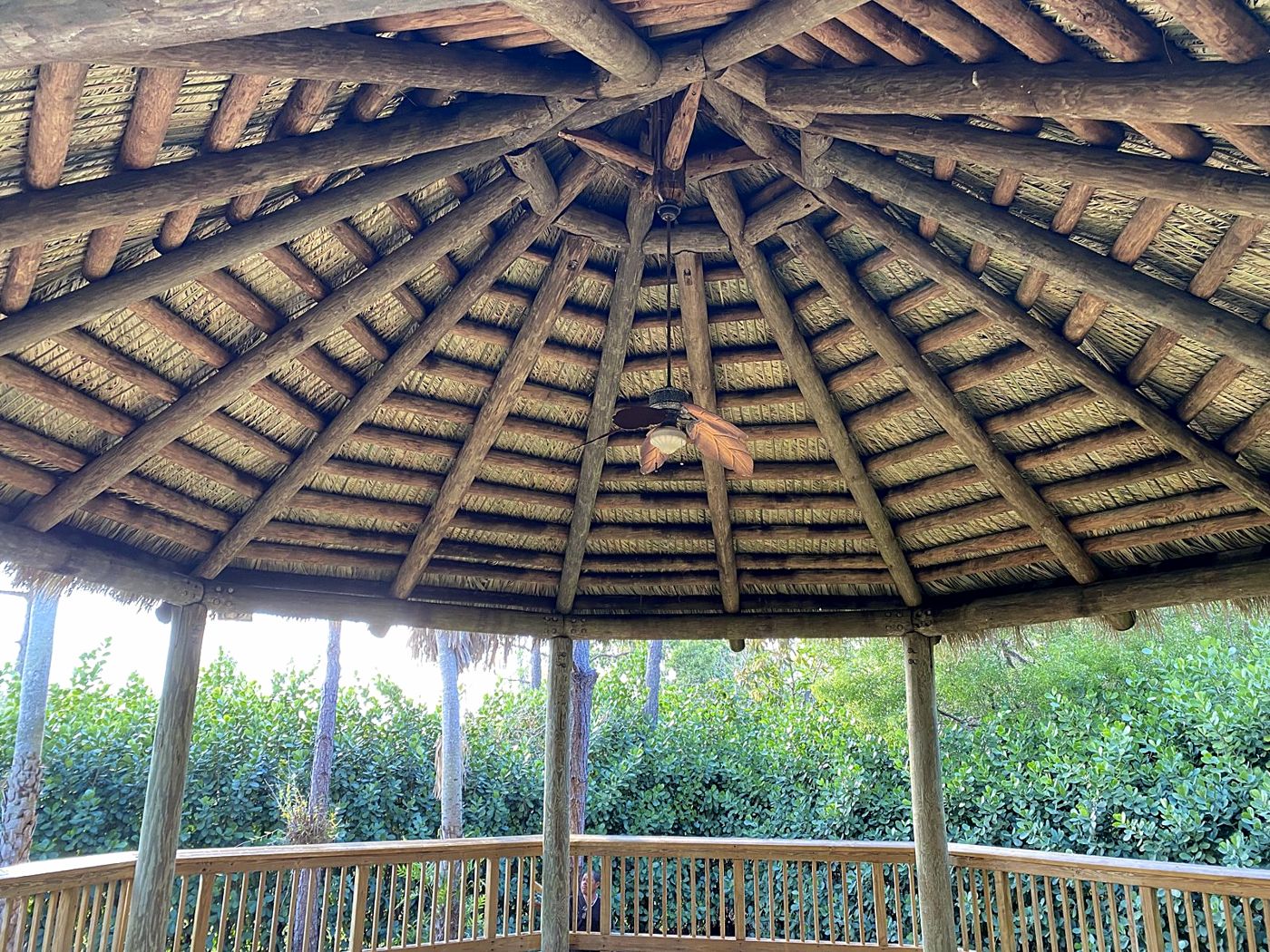
- Plates & ridge poleBeams tie the posts together and a ridge pole sets the peak of the roof.
- Rafters & lathRafters run past the posts, so the roof overhangs and sheds rain clear of the deck.
- Palmetto thatchPalm fans are tied on in overlapping rows from the eave up, so water runs off each layer onto the next.
- Ridge capThe peak is capped and the ridge is screwed down. Shade above, air moving through, nothing in the way.
- ChickeeThe word for “house” in the Creek and Mikasuki languages of the Seminole and Miccosukee people.
- Early 1800sThe open-sided style took hold during the Seminole Wars, when families needed shelter that went up fast.
- No wallsA palm-thatched roof over a cypress log frame. The shade and the breeze do the cooling.
Chickee history: Seminole Tribe of Florida
Areas we serve
Torches lit across Florida
From Naples to Ocala and coast to coast, our crews cover a wide stretch of the state. Tap a torch, then plan a build there.
SelectedNaples, FL
Play
Thatch attack beat the storm
A storm is rolling in off the water. Catch palm fronds in your basket to thatch the roof before it hits, and dodge the coconuts and lightning. Every roof you finish unlocks a bigger build.
Hurricane season
Thatch attack
Catch fronds to thatch the roof before the storm hits. Golden fronds count triple. A tiki torch slows the storm.
Drag or ← → to moveSpace to pause